
Best Open Source products of the week October 19, 2026
Explore the most innovative and popular open source products that captured the community's attention during week. These rankings help builders compare standout launches, understand what each product does, and discover practical tools shaping the future of technology.
Period
Weekly ranking
Published for
October 19, 2026
Selection
10 ranked products
Ranked list
Community-backed open source picks
Each product profile includes the launch story, visual preview, and direct product link so readers can move from discovery to evaluation quickly.
01

withHuman is an approval layer for AI agents. It intercepts your agents' tool calls before they run, then applies rules that approve or deny routine actions automatically. Risky actions are sent to the right person on your team for review. It works with Claude Code, Codex, and agents built with LangGraph, Pydantic AI, and more, all through an open protocol called AAP. One set of rules covers every agent your company runs. The project is open source, and a hosted version is available. Use code PRODUCTHUNT to get 3 months of Scale free, valid until Friday.
02
Harness is the open-source command center for coding agents. It brings together Claude Code at work, Codex at home, Hermes in the cloud, and every other agent on every machine, side by side. Use the native desktop app, type hn in your terminal, or use the iOS and Android apps to answer agents by voice. Everything is end-to-end encrypted. Then go beyond code with 49 harnesses for CAD, circuits, robots, games, and music. It is free on Mac and Linux.
03

Beam is a sparse Mixture-of-Experts model with 501 billion total parameters, but only 23 billion active during each step. It is built for coding, reasoning, and agentic workloads, so it can handle long, complex tasks while keeping compute and latency practical. The sparse architecture gives you the broad knowledge of a much larger model without paying the full inference cost on every single request.
04
NitroStack is the full-stack platform for building production-ready MCP servers and AI apps. You get open-source TypeScript and Python SDKs for the core logic, NitroStack Studio for visual testing and debugging, NitroStack Workflow for orchestrating agent processes, and NitroStack Cloud for deployment. NitroStack Chat lets you ship a branded frontend without extra work. Auth, testing, deployment, and UI all stay in one workflow, so you do not need to patch together separate tools. Connect your finished servers to ChatGPT, Claude, or other AI clients. More than 80,000 MCP servers are already powered by NitroStack.
05

Craft Agents is fully open source and runs locally on your machine, so your data and API keys never leave it. You can bring any AI provider you like, including Claude, GPT, Gemini, or local models. Agents connect to the tools you already use, such as MCP, APIs, and local files, and they can act across all of them. Code diffs, data tables, diagrams, and live previews show up right inline, so you can review work without switching windows. You can turn results into persistent Pages, teach reusable Skills, and run Automations on a schedule. It all lives in a desktop interface that feels natural to work in.
06

Shim is an open-source hook and local proxy that works with Claude Code, Codex, Copilot CLI, and VS Code. It keeps secrets and personal data out of tool results so the model never sees them, especially in Claude Code. The shim watch command shows you what a session sent and what it cost. There is no account to create and no telemetry to worry about, so you keep full visibility and privacy.
07
Lazy is the fastest way to work with AWS resources without leaving your terminal. You can browse everything in your cloud, inspect resources, and run confirmed AWS CLI actions all from one prompt, without hunting through the console or memorizing long commands. It keeps you on your keyboard and gives you confidence by confirming actions before they run. If you live in the terminal and manage AWS, this turns your whole cloud into a command line.
08

/dev/null started as a live stream from the JetBrains office. On Oct 15, 2026, Nuno Maduro, Brent Roose, Matthieu Napoli, and Pauline Vos built a social network for web developers from scratch in 48 hours, in the open. Sign in with GitHub, share code snippets, like, reply, etc, etc! Hundreds of you sent PRs. Laravel’s Taylor Otwell stopped by mid-stream (“Laravel forever”), and Vercel’s Guillermo Rauch called it “really well done.” Thank you for watching, sharing, and roasting us.
09
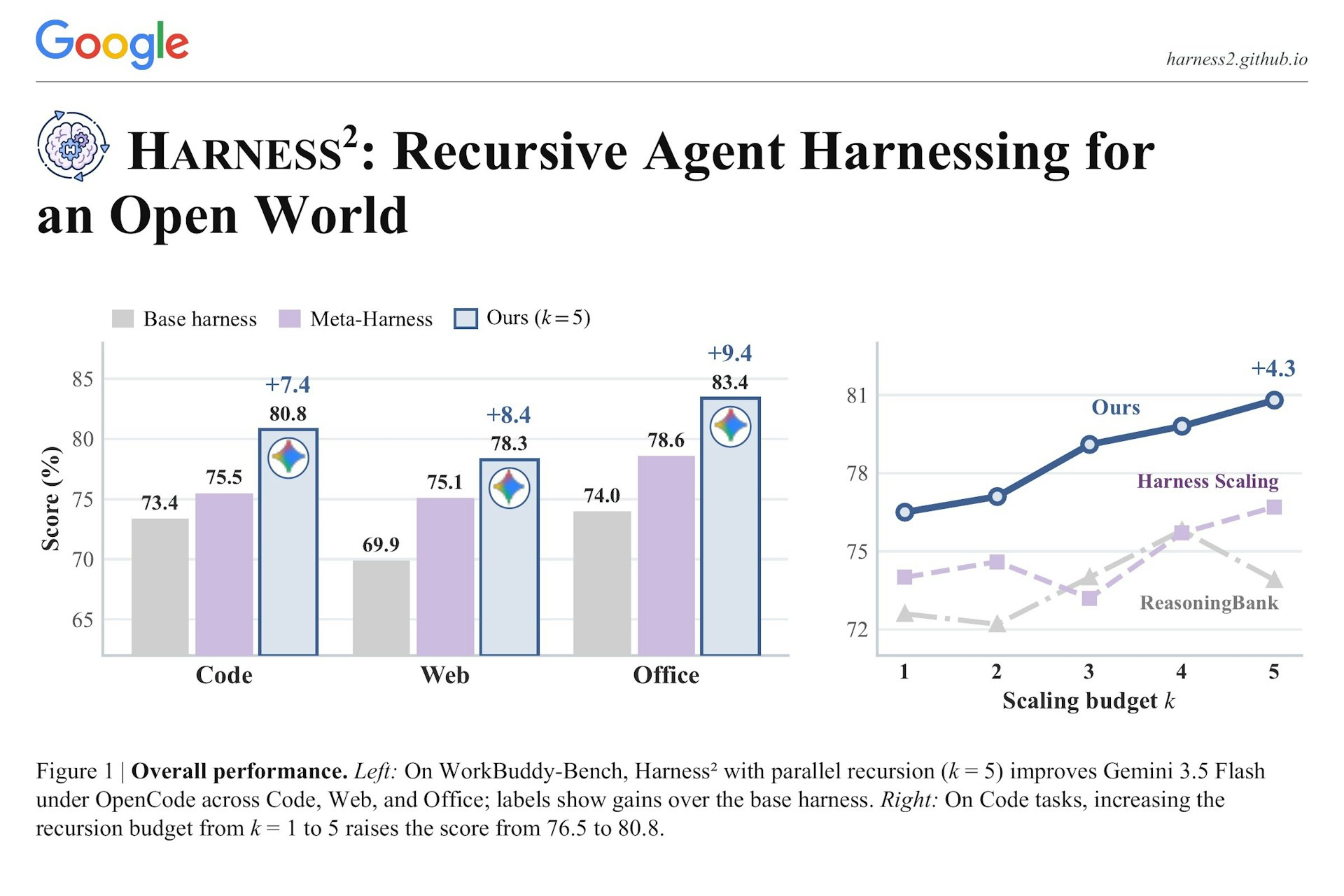
Harness² from Google Research is a plug-and-play recursive agent harnessing framework that lets LLM agents automatically evolve their execution harnesses (prompts, tools, memory) for open-world tasks—without ground-truth verifiers. Dual recursion: task-level Propose-Probe-Compose refinement + harnessing-level accumulation of reusable experience. Up to +11.5 points on professional benchmarks like WorkBuddy-Bench.
10

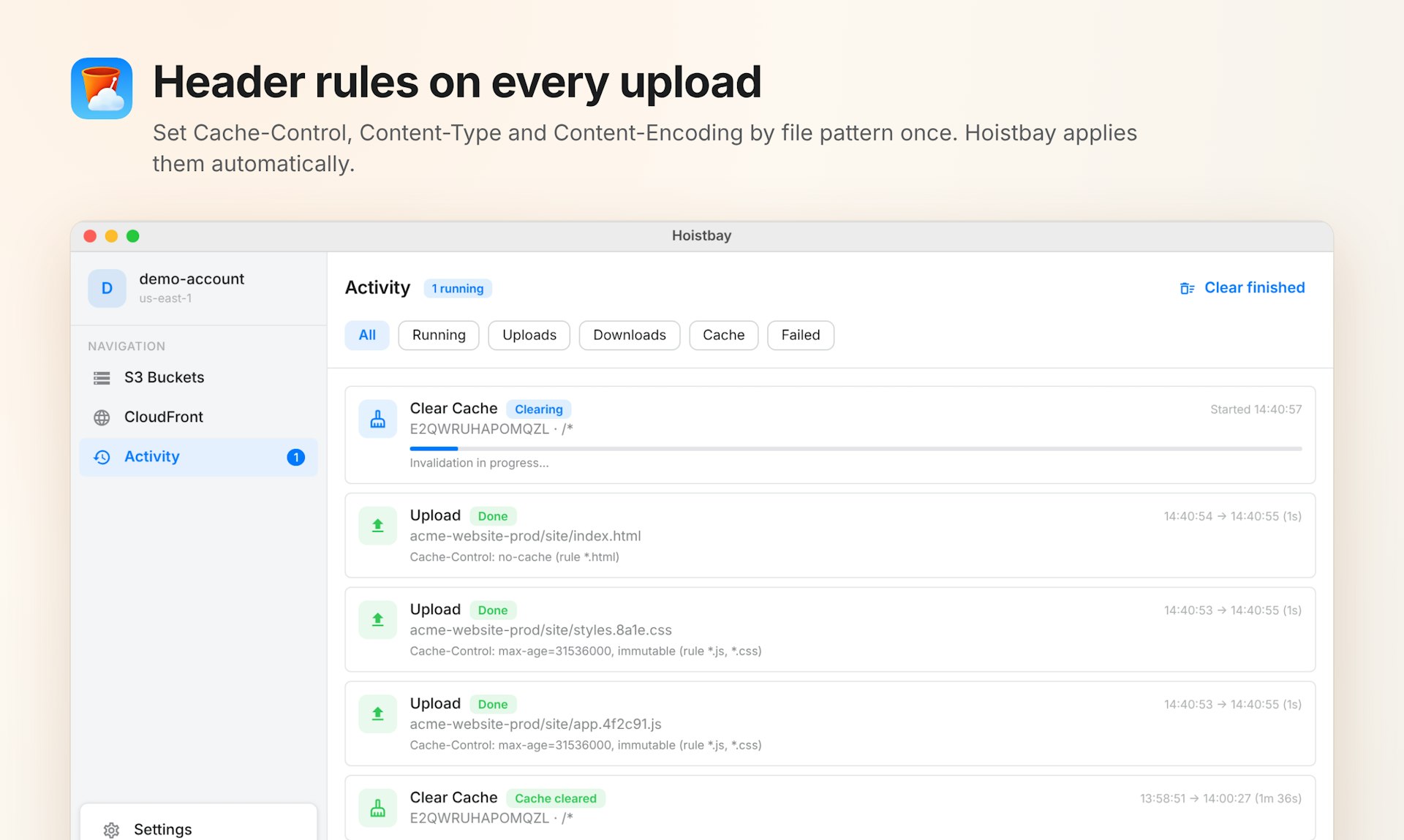
Hoistbay is a free desktop app for macOS and Windows that takes the repetitive work out of S3 and CloudFront. Set header rules once (Cache-Control, Content-Type, Content-Encoding by file pattern) and they apply on every upload. Download whole folders, clear CloudFront cache in one click, and switch AWS accounts instantly. Keys stay in your OS keychain, no backend, no telemetry. MIT licensed.